The Clinical Research Training Program (CRTP) fellowship is embedded as a part of the DBT/Wellcome Trust-funded STOP-Epilepsy clinical research centre (CRC). This is a 3 to 4-year mentored research training program that aims to train clinicians in clinical and public health research, with a focus on epilepsy and mental health.
The CRTP curriculum emphasizes the public health aspects of neurological and mental health disorders commensurate with the expertise of the lead investigators and includes cross-disciplinary inputs from the named experts in the project. Training needs assessment of the fellows has been used to individualize the program curriculum and address specific training gaps. Furthermore, fellows will work in various studies conducted within the Clinical Research Centre spanning research topics in mental health, neurology, and public health in the partnering institutes.
Through a competitive and rigorous selection process, four CRTP fellows were selected for the program. Each of the fellows are based out of one of the collaborating institutions, have been enrolled in the CRTP.
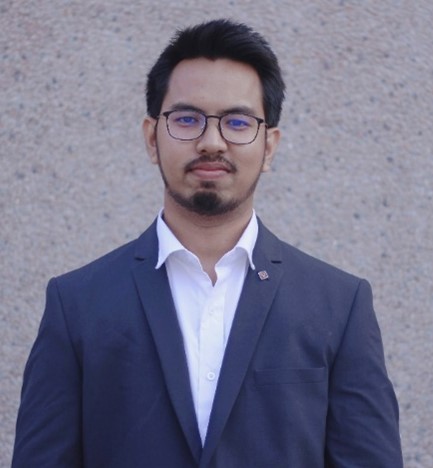
Dr Utpal Kumar Gogoi, B Optom, MPH
CRTP fellow, Dayanand Medical College Hospital, Ludhiana
“My core area of interest is in interventional research in the field of Health economics and financing, particularly that may involve cost evaluation techniques like cost effectiveness, cost benefit and cost utility analysis. In addition to my interest in economics and finance, I am also interested in research in the fields of Mental Health, Global infectious disease epidemiology, Community eye health, One health and Biomedical waste management.”
Dr Hemant Kumar Tiwari, BDS, MPH
CRTP fellow, All India Institute of Medical Sciences, New Delhi
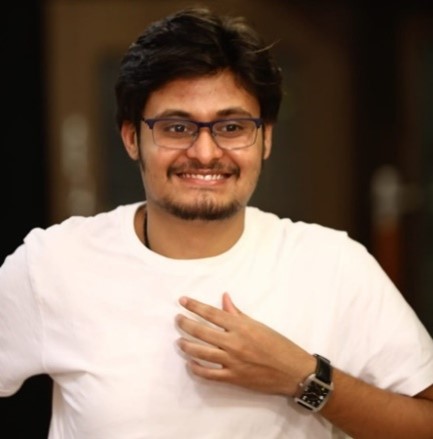
“I am a public health master graduate with research experience in Infectious Disease Epidemiology and Prevention of Mental and Neurological Disorders. My primary research interest is in the area of Epilepsy related Stigmatization and the Imperative of Communication. Through my research, I would like to focus on the communication strategies that are essential to enhance the provider-patient interactions and thereby reduce stigma and the huge treatment gap of epilepsy.”
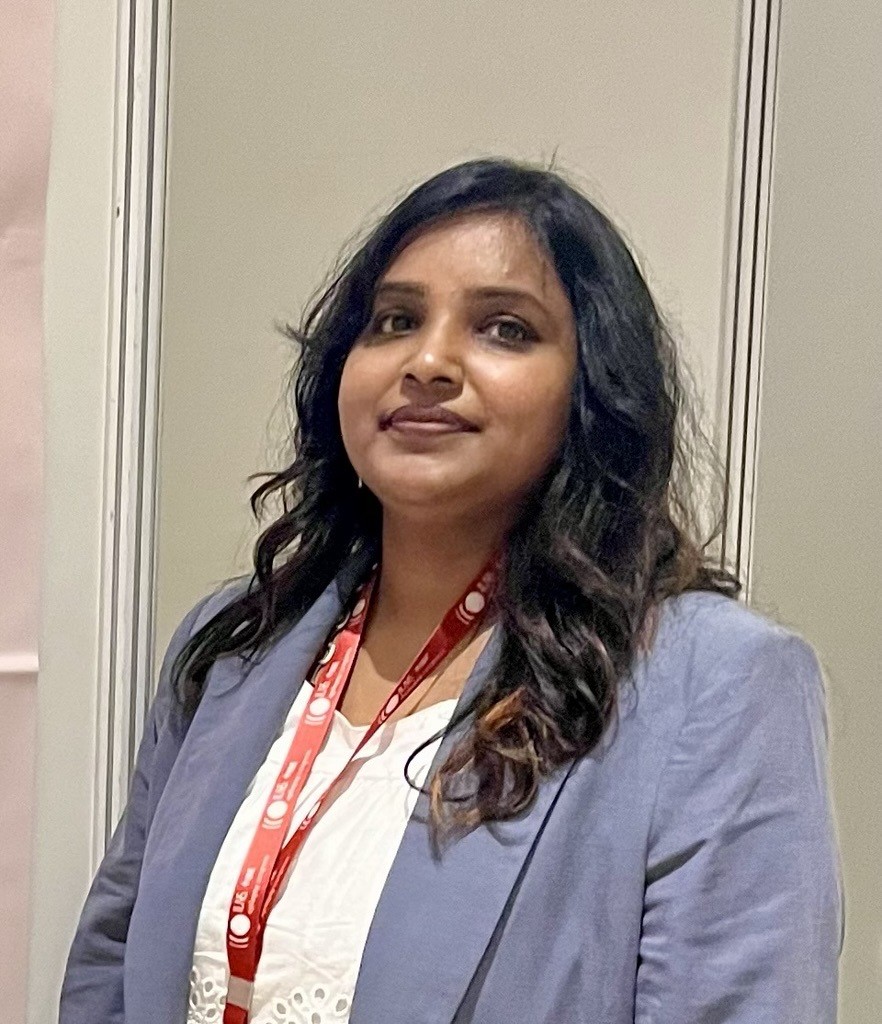
Dr Usha Khanapur, MBBS, PGDFM, MPH
CRTP fellow, the George Institute of Global Health, New Delhi
“My research interest is in public health research related to Neuroscience and mental health. The key areas of interest are Epilepsy, Stroke, Dementia and mood disorders. As a CRTP-Research Fellow of STOP-Epilepsy project, I will be able to contribute towards the most relevant and needed area of my research interest. I believe that my research in the key field adds value to the health care services in India and beyond. I aim to see the benefits of this knowledge in prolonging and achieving quality life.”
Dr Mayank Sharma, BDS, MPH
CRTP fellow, All India Institute of Medical Sciences, New Delhi
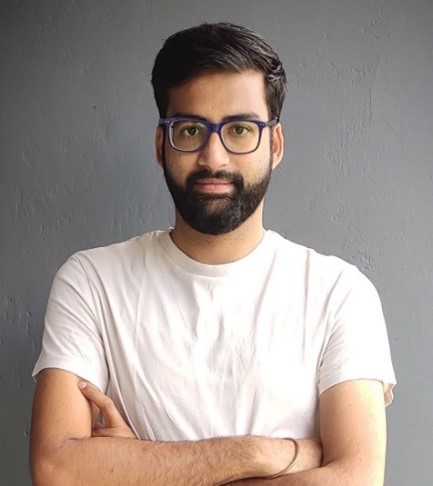
“I am a public health professional with research interests in non-communicable diseases, particularly epilepsy. My research aims to address the public health aspects of epilepsy, specifically reducing treatment gap in epilepsy by strengthening health systems. I believe primary and secondary levels of care should be strengthened to provide adequate clinical management. Earlier, I’ve worked improve provision of palliative care services.”
One Year In: Reflections from Our Fellows
Annual fellow check-ins form an integral part of the CRTP program. This section captures insights from fellows one year into their journey, as they reflect on the impact and value of the program on their professional growth.
Utpal Goggoi is based at DMCH Ludhiana and is working under the supervision of Prof Gagandeep Singh. “I believed that to be associated with best health experts in this field will provide me an opportunity to gain insight from their knowledge” added Utpal when asked about his motivation to join the program.
Mayank Sharma and Hemant Tiwari are based out of AIIMS New Delhi and are working under the supervision of Prof Mamta Singh. Hemant, who is also co-supervised by Prof Usha Raman, University of Hyderabad, shared that the CRTP “offers a unique opportunity to develop as an advanced clinical and public health researcher by providing the most renowned Institutes and experienced faculties for training.” Since the program commenced in January 2023, fellows have actively engaged in various training sessions and workshops. Mayank mentions “I was able to observe epilepsy clinics and get a better knowledge of how socio-economic factors affect patient care.”
Further, Usha Khanapur, based at TGI India and working under the supervision of Prof Pallab Maulik and Prof Usha Raman, added “The discussion of ILAE primary care curriculum and Mental health series with experts in the field has given deep insights into epilepsy care in India.”
In addition to training in research methods and other relevant topics, the CRTP fellows are engaged in capstone research projects that align with the overarching theme of the CRC.
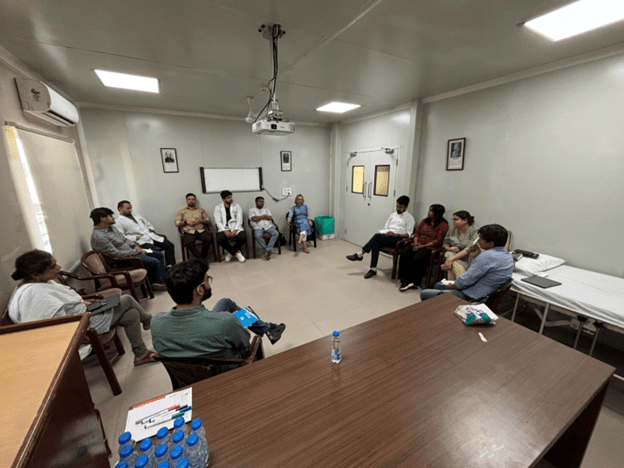
Awards and achievements
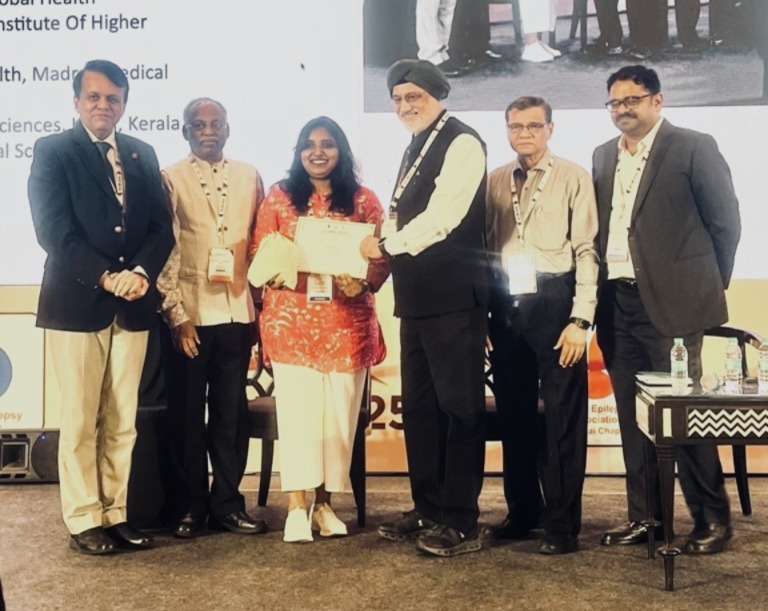
Usha Khanapur received the Best E-Poster Award at the ECON 2025 conference.
“I am honoured to have received the Best E-Poster Award at the ECON 2025 held from 21st to 24th August 2025, India, for my presentation titled “Specialist Referral Indications in Primary Care: Results from a Delphi Survey.”
This work was undertaken as part of STOP-epilepsy project which aligns with the WHO IGAP recommendations to strengthen epilepsy care through primary healthcare. This study aimed to develop consensus-based specialist referral indications for primary care providers that could guide the development of context-appropriate referral guidelines and training tools for primary healthcare providers, potentially improving care pathways in epilepsy.
Participating in ECON 2025 was an enriching and inspiring experience. I am deeply grateful to all the experts, mentors, and the STOP-Epilepsy project team for their constant guidance and support without whom this achievement would not have been possible. Receiving this recognition is deeply encouraging and further motivates my commitment to epilepsy care through impactful research.”
 STOP Epilepsy